What Is a Hanbok? Parts, Colors and How to Wear It Today
The jeogori, the chima, the five traditional colors and how to wear Korea's national dress with confidence and respect.
In this post
- A short history
- The parts of a hanbok
- What hanbok colors mean
- When is hanbok worn today?
- How to wear a hanbok, step by step
- Styling your hanbok today
- Popular hanbok color combinations
- Hanbok fabrics and seasons
- Men's hanbok in brief
- Hanbok for weddings
- Tips for renting a hanbok in Seoul
- Choosing hanbok colors for your skin tone
- Hanbok for children and first birthdays
- Caring for a hanbok
- Do's and don'ts
- Hanbok and other traditions
- Frequently asked questions
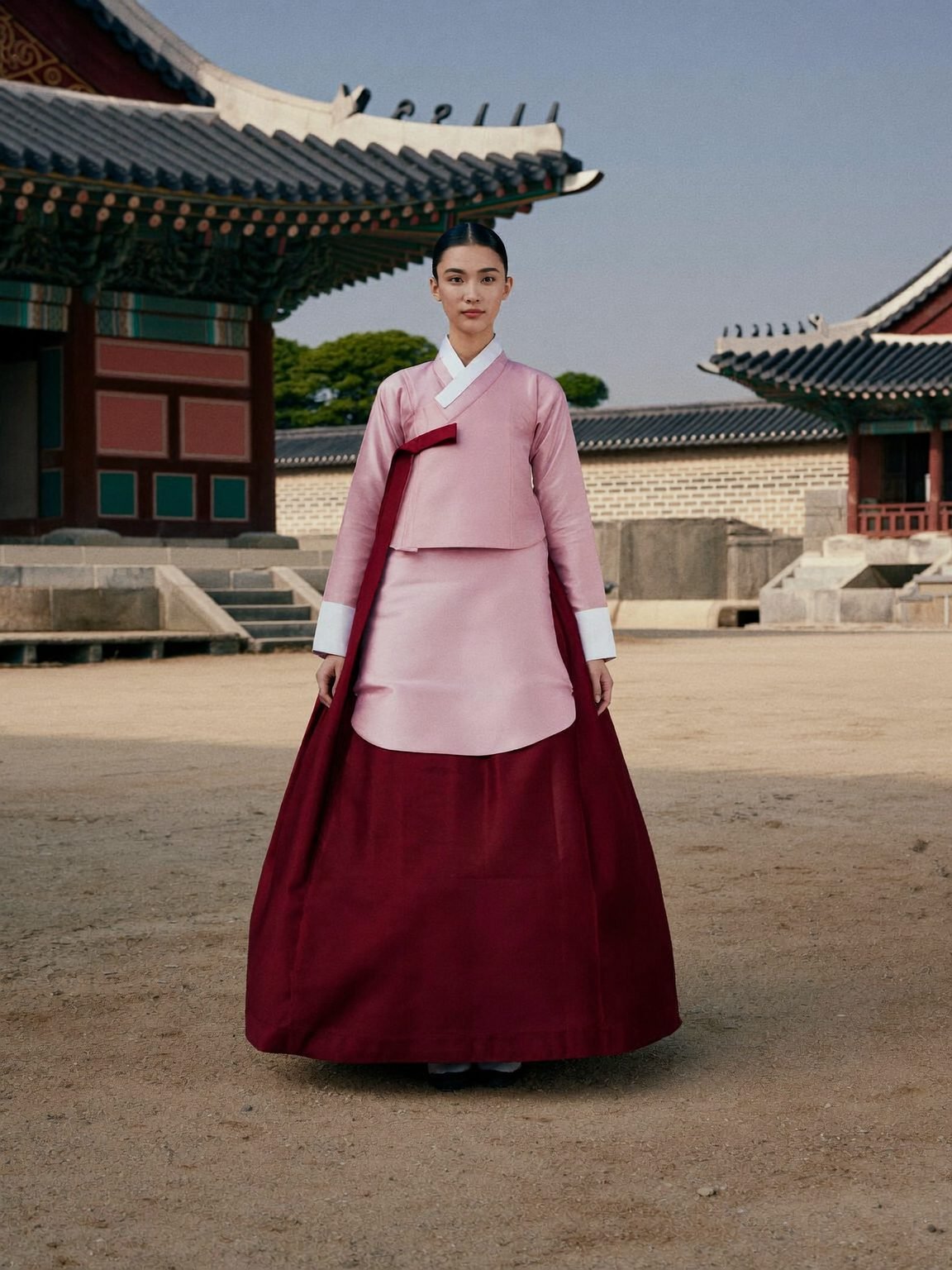
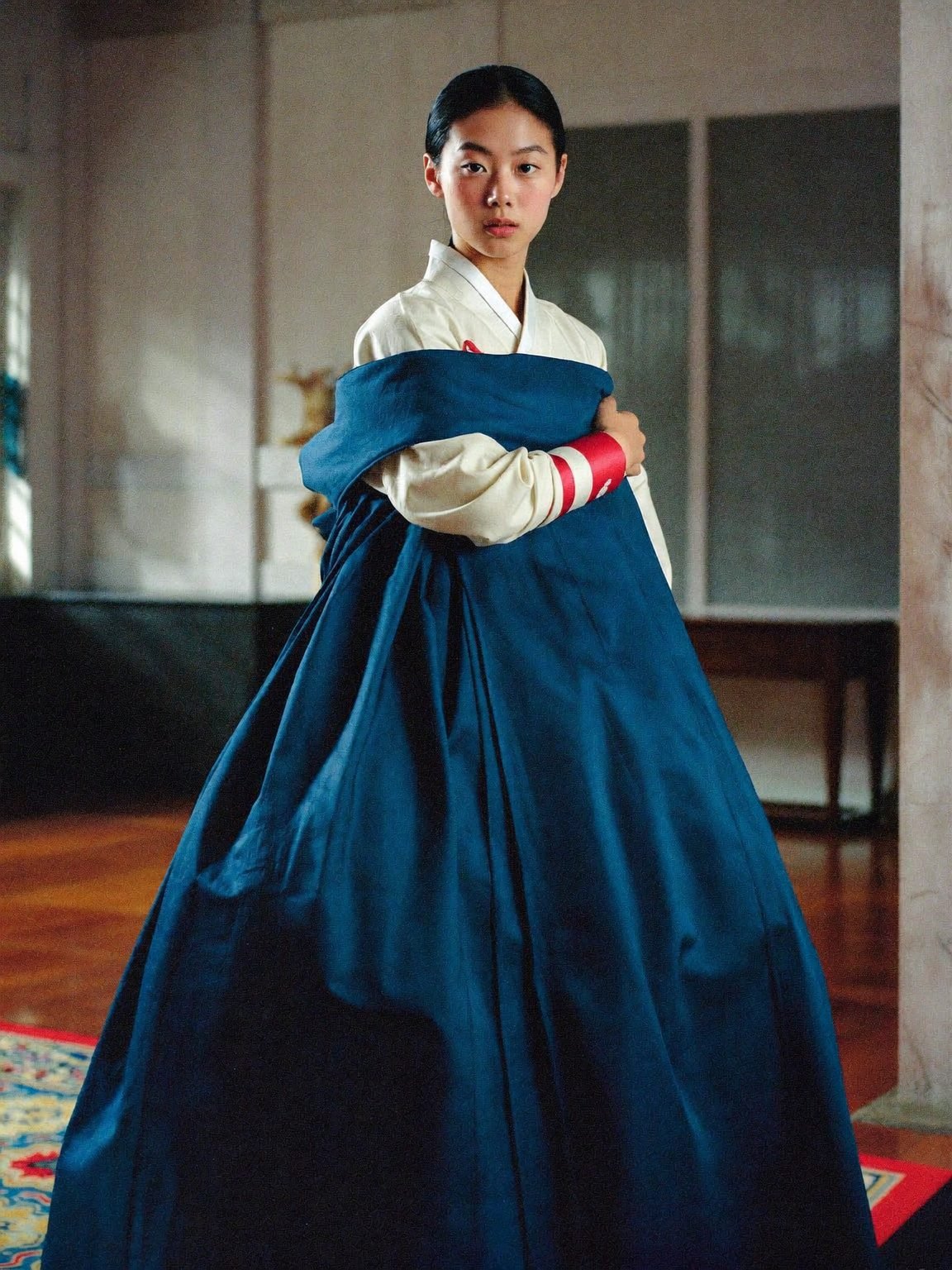
A hanbok is the traditional dress of Korea. For women it is made of two main pieces: a short jacket called the jeogori and a full, high-waisted skirt called the chima, tied together at the chest with long ribbons called goreum. Its simple shape, flowing lines and bold color combinations make it one of the most recognizable traditional outfits in the world.
This guide explains each part of the hanbok, what the traditional colors mean, when Koreans wear it today and how you can style one, whether you are wearing it for a family celebration, a wedding or a day at a palace in Seoul. For quick color pairings, see our hanbok color page.

Hanbok (한복)
The traditional clothing of Korea. The word means "Korean clothing". Women's hanbok combine a jeogori (jacket) and chima (skirt); men's hanbok combine a jeogori with baji (trousers), often with a durumagi (long coat) on top.
A short history
The basic structure of the hanbok, a jacket over a skirt or trousers, goes back more than a thousand years, and paintings from the Three Kingdoms period already show similar clothing. The style most people picture today took shape during the Joseon dynasty (1392 to 1897), when the jeogori became shorter and the chima fuller, creating the bell-like silhouette that hanbok is known for.
During the 20th century, western clothing replaced the hanbok for everyday life, but it never disappeared. It stayed the outfit for important days, and in 1996 South Korea created Hanbok Day to encourage people to wear it. Today designers are reinventing it again with modern cuts and lighter fabrics.
The parts of a hanbok
| Part | Korean | What it is |
|---|---|---|
| Jacket | Jeogori (저고리) | A short jacket with curved sleeves, worn by women and men |
| Ribbons | Goreum (고름) | Long ribbons that tie the jeogori, often in a contrast color |
| Collar | Dongjeong (동정) | A white strip that lines the collar |
| Skirt | Chima (치마) | A full wrap skirt tied high above the waist |
| Underskirt | Sokchima (속치마) | A petticoat that gives the chima its volume |
| Trousers | Baji (바지) | Loose trousers worn by men |
| Coat | Durumagi (두루마기) | A long outer coat worn for warmth or formality |
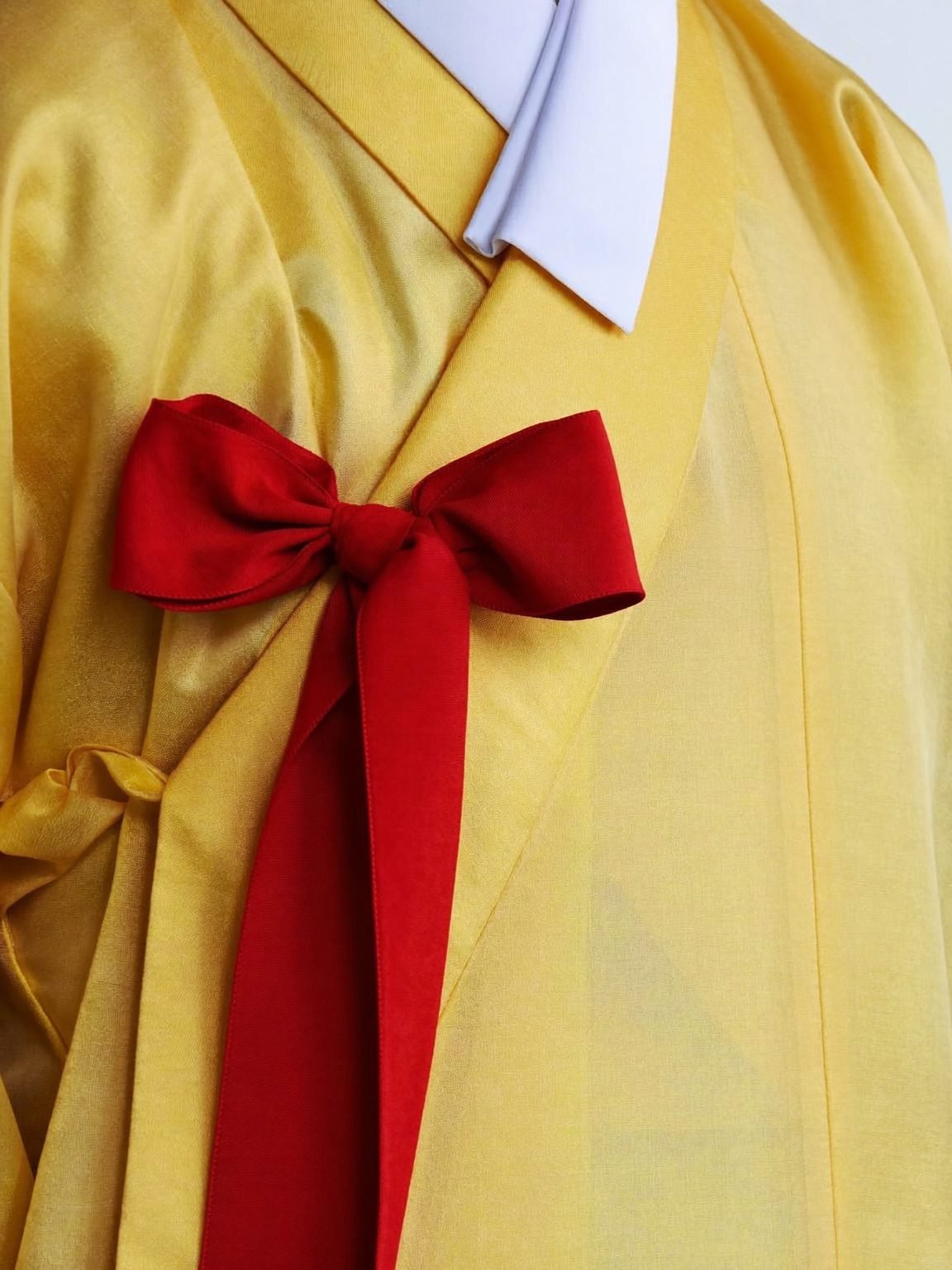
The goreum is the detail that makes a hanbok look finished. It is tied into a single loop on the right side of the chest, and its color is often chosen to contrast with the jeogori, for example a red goreum on a yellow jacket.
What hanbok colors mean
Traditional hanbok colors come from obangsaek (오방색), the five cardinal colors of East Asian philosophy. Each color is linked with a direction and one of the five elements, and together they were believed to bring balance and protection.
Obangsaek: the five traditional colors
Tap a color to copy its HEX code.
- Red is linked with good fortune and was used in bridal wear.
- Blue (and indigo) is linked with the east and with growth.
- Yellow represents the center and was historically reserved for royalty.
- White was the everyday color of ordinary people, valued for modesty and purity.
- Black is linked with the north and with wisdom.
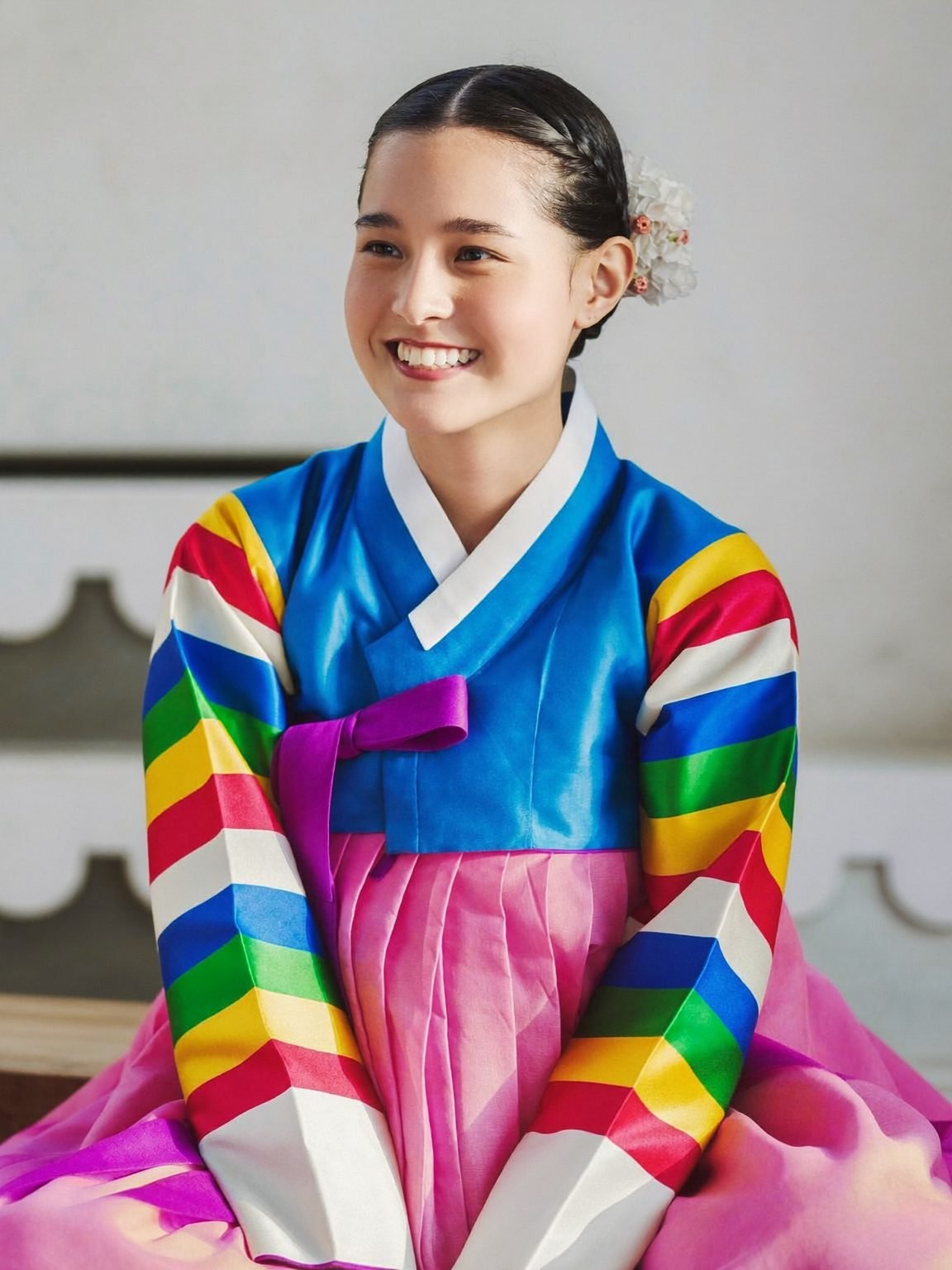
Colors also showed who you were. Historically, a young unmarried woman often wore a yellow jeogori with a red chima, while married women wore green and red. Children's hanbok often feature saekdong (색동), bright multicolored stripes on the sleeves that were believed to protect them and wish them a happy life.
When is hanbok worn today?
- Seollal (Lunar New Year), when families bow to their elders and children receive blessings.
- Chuseok, the autumn harvest festival.
- Weddings, where the couple and their mothers often wear hanbok, the mothers in soft pink and blue.
- Dol, a baby's first birthday party.
- Hanbok Day in October, plus graduations, performances and cultural events.
Visitors can also rent a hanbok near the palaces in Seoul. Wearing one to Gyeongbokgung is popular with tourists and locals alike, and it is welcomed as a way to appreciate Korean culture.
How to wear a hanbok, step by step
Put on the underskirt

AI-generated image Tie the sokchima high, just under the chest. It gives the chima its full shape.
Wrap the chima
AI-generated image Wrap the skirt around your body with the opening at the back or side, and tie its straps above the chest so it sits high.
Put on the jeogori

AI-generated image Slip on the jacket, overlapping the left panel over the right.
Tie the goreum

AI-generated image Make a single loop with the long ribbon and let both ends hang down on the right side of the chest.
Add accessories

AI-generated image Finish with a norigae (decorative tassel), simple hair and comfortable flat shoes.
Styling your hanbok today
Modern hanbok range from traditional silk sets to everyday "saenghwal" hanbok with shorter skirts and softer fabrics. Whichever you choose, the rule is to keep accessories simple so the color combination stays the focus.
Hair
A low, neat bun is the classic style. Married women traditionally wore a long hairpin called a binyeo through the bun. For a modern look, a low ponytail tied with a ribbon (daenggi) that matches the goreum is pretty and easy.
Shoes
Traditional hanbok shoes are kkotsin, flat shoes with embroidered flowers. Modern alternatives are flat ballet shoes or low heels in a color from the goreum or the skirt. Avoid chunky sneakers with formal silk hanbok.
Nails and makeup
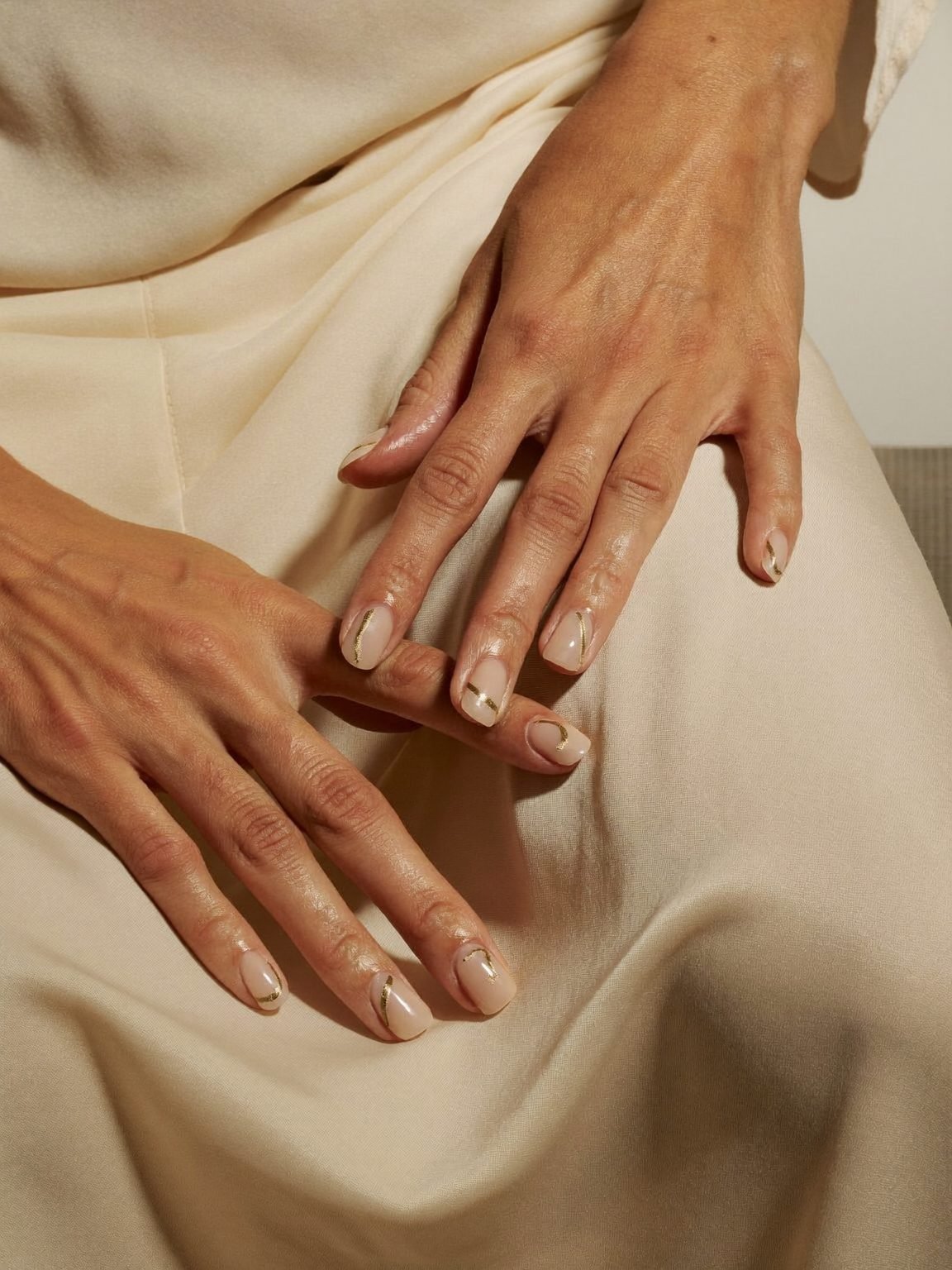
Hanbok colors are strong, so soft nails and makeup work best: sheer pink, milky white or a nail color that picks up the goreum. For makeup, a fresh, glowing base and a soft coral or pink lip suit the traditional look. You can preview nail shades on your skin tone in the Color Matcher.

Popular hanbok color combinations
| Jeogori | Chima | Mood |
|---|---|---|
| Yellow | Red | Traditional, youthful |
| Soft pink | Navy | Elegant, modern |
| White | Blush | Light, spring |
| Mint | Pink | Sweet, playful |
| Ivory | Burgundy | Formal, rich |
Hanbok fabrics and seasons
Traditional hanbok change with the seasons. In summer, light and breathable fabrics like ramie (mosi) and fine silk gauze keep the wearer cool, often in pale, airy colors. In spring and autumn, lightweight silks in soft or bright colors are common. In winter, padded or lined silk and a long durumagi coat add warmth, and colors tend to be deeper. Modern everyday hanbok use cotton, linen and blends that are easy to wash.
Decoration also tells a story. Gold leaf printing (geumbak) on the chima border or jeogori sleeves was historically a mark of royalty and special occasions, and today it appears on wedding and holiday hanbok. Embroidered motifs such as flowers, cranes and clouds carry wishes for happiness, long life and good fortune.
Men's hanbok in brief
A men's hanbok pairs the jeogori with baji, roomy trousers tied at the ankles, and often a vest (jokki) and a long durumagi coat for formal occasions. Colors for men are usually calmer than for women, with shades like navy, grey, ivory and soft blue, and a contrasting goreum or vest adds interest. At weddings, fathers of the couple often wear a durumagi over their hanbok.
Hanbok for weddings
At a traditional Korean wedding ceremony (pyebaek), the bride may wear a colorful ceremonial robe such as the wonsam or hwarot, embroidered with symbols of happiness and fertility, while the groom wears an official's robe. At modern weddings, the mothers of the couple commonly wear hanbok: the bride's mother often in soft pink or red tones and the groom's mother in blue tones. Guests usually wear smart western clothes rather than hanbok, unless they are close family.
Tips for renting a hanbok in Seoul
- Rental shops near Gyeongbokgung and Bukchon offer hourly and full-day rentals, usually with a choice of styles and colors.
- Pick a color that flatters your skin: soft pinks, sky blue and mint suit most people, while jewel tones make striking photos in autumn.
- Choose the traditional style for palace visits and the shorter modern style if you plan to walk a lot.
- Bring comfortable flat shoes; you will walk on gravel and stone paths.
- Keep your phone and valuables in the small bag often provided, since hanbok have no pockets.
Choosing hanbok colors for your skin tone
Hanbok colors are often bright, so it helps to choose the shade closest to your face, the jeogori, with care. Fair skin with cool undertones glows in pink, lavender and sky blue. Warm and medium skin suits coral, mint, soft yellow and ivory. Deep skin looks stunning in bright contrasts like yellow with red or royal blue with pink. The chima can then be deeper or brighter, since it sits further from the face. Try your colors in the Color Matcher before you book.
Hanbok for children and first birthdays
Children's hanbok are among the most colorful. For a baby's first birthday party, the dol, the child traditionally wears a bright hanbok, often with saekdong striped sleeves and a small hat or headpiece: a hogeon for boys or a jobawi for girls. The dol table is set with rice cakes, fruit and symbolic objects, and the child's choice of object is said to hint at their future. Parents often wear hanbok too, so families sometimes coordinate colors, for example soft pink and mint for the parents with a bright striped hanbok for the child.
For older children, hanbok are worn at Seollal and Chuseok when they bow to their grandparents in the traditional New Year greeting (sebae). Easy-care modern children's hanbok in cotton blends make these holiday visits much more practical.
Caring for a hanbok
- Silk hanbok should be dry cleaned; many modern cotton or polyester hanbok can be hand washed in cold water.
- Hang the jeogori on a padded hanger and store the chima folded along its pleats to keep its shape.
- Iron silk on a low setting through a cloth, and never iron gold leaf printing directly.
- Keep hanbok away from direct sunlight in storage, which can fade bright colors.
Do's and don'ts
Do
- Wrap the jeogori left over right and tie the goreum on the right.
- Choose soft makeup and simple jewelry.
- Take photos at palaces, which often offer free entry to visitors in hanbok.
- Learn the names of the pieces; people appreciate it.
Don't
- Do not wear a hanbok as a costume for jokes or parties.
- Avoid heavy statement jewelry that competes with the colors.
- Avoid dragging a long silk chima on wet ground; lift it slightly as you walk.
Hanbok and other traditions
If you love the hanbok's colors, you may also enjoy Japan's kimono and China's qipao, which have their own color traditions for Lunar New Year and weddings. Explore more in the Traditions Explorer.
For more background, see the hanbok article on Wikipedia and the Korean government's culture site, Korea.net.
Frequently asked questions
What are the main parts of a hanbok?
For women, the jeogori (short jacket), the goreum (ribbons), the chima (full skirt) and the sokchima (underskirt). Men wear the jeogori with baji (trousers).
What do the colors of a hanbok mean?
They follow obangsaek, the five traditional colors: blue (east), red (south), yellow (center), white (west) and black (north). Red often stands for good fortune.
When do Koreans wear hanbok?
For Seollal (Lunar New Year), Chuseok, weddings, a baby's first birthday and Hanbok Day, as well as cultural events.
Is it okay for foreigners to wear hanbok?
Yes. Renting a hanbok to visit Seoul's palaces is common and welcomed. Wear it respectfully, not as a joke costume.
What shoes are worn with hanbok?
Traditionally kkotsin, flat embroidered shoes. Today flat ballet shoes or low heels are common.
What nail color goes with a hanbok?
Soft pink, milky white or a shade that picks up the goreum ribbon color.
Love this look? Save it to your Worldrobe board and find it again anytime.